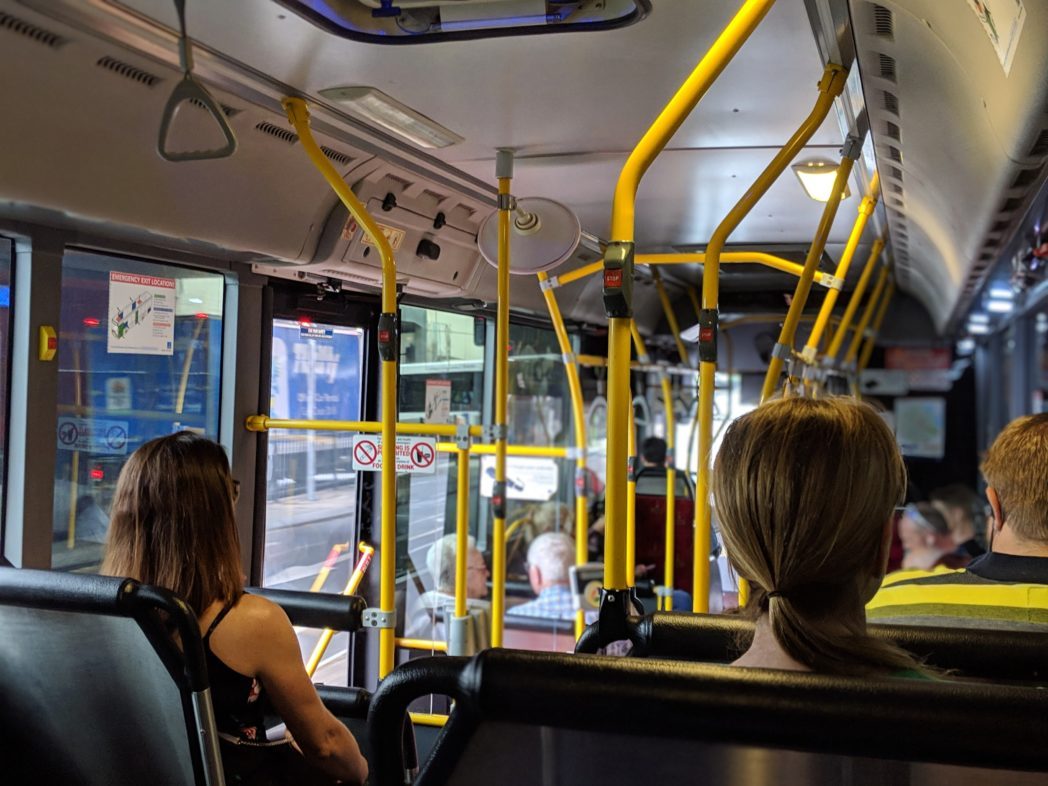
The utilization of public transportation is primarily influenced by the quality of connections and adherence to schedules. However, in bus transportation, deviations from the timetable often occur.
Salzburg Research uses satellite-based movement data from bus lines to identify deviations from schedules and calculate time losses on specific road segments. This allows them to determine the length of traffic congestion or time losses at traffic signals or roundabouts. They analyze data from bus routes, within the city area, and along entry roads from the surrounding area, for example.
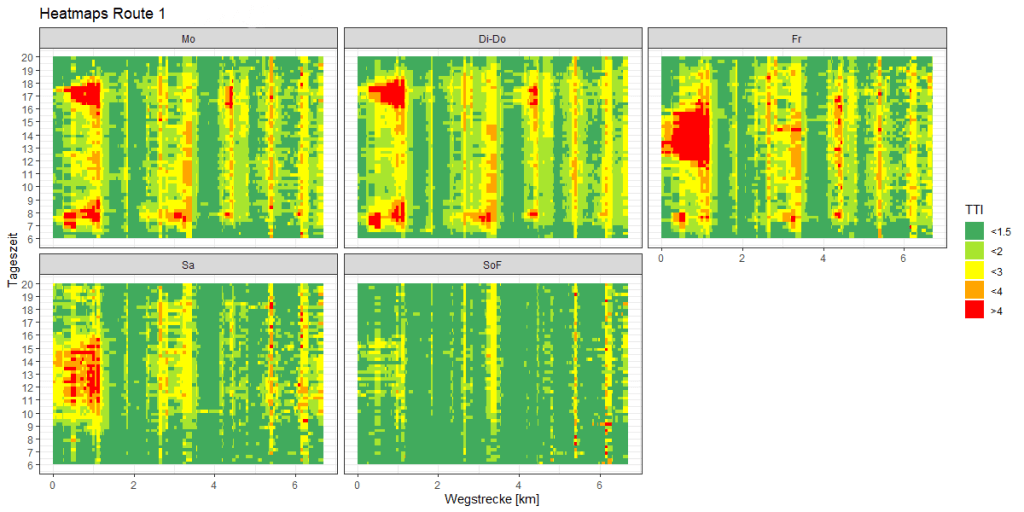
Such evaluations have been commissioned by transport associations, federal states, or cities in Austria and Germany in recent months. The requested data has been used for various applications, such as monitoring and evaluating new bus lanes, prioritizing public transportation, coordinating traffic signals, relocating bus stops, managing temporary construction sites, and calculating time-dependent travel patterns.
Transport planners and operators of public transportation systems receive an objective basis for decision-making and a meaningful impact assessment through such detailed evaluations. This knowledge enables them to develop targeted measures to improve traffic efficiency and make public transit more attractive.
This might also interest you
28. May 2026
Joint Research Leads to Patent Application
An important milestone for Salzburg as a research and innovation hub: Salzburg University of Applied Sciences and ABB’s Machine Automation Division (B&R) have jointly filed a patent application in the field of AI-based energy efficiency.
21. May 2026
The Future of Microchip Manufacturing Comes to Salzburg
With the opening of a new competence center for so-called panel-level packaging, Lam Research is sending a strong signal for Salzburg as a technology and research hub.
15. April 2026
From AI to energy: Four Salzburg companies recognised
In 2026, the Salzburg Innovation Award was presented for the first time, introducing a new distinction for particularly innovative companies in the region. The four awarded projects highlight the diversity of innovation in Salzburg – ranging from satellite data and artificial intelligence to recycling technologies and digital energy infrastructure.
12. March 2026
SALZ 2026: Innovation and Technology in Focus – Startups, AI and Future Markets in Salzburg
The SALZ – Festival for Innovation & Technology brought together companies, startups, research institutions and public stakeholders at Messe Salzburg on 11 March 2026. With keynotes, panels, matchmaking and startup pitches, the event provided a platform for emerging technology trends, new collaborations and exchange within the innovation ecosystem.