
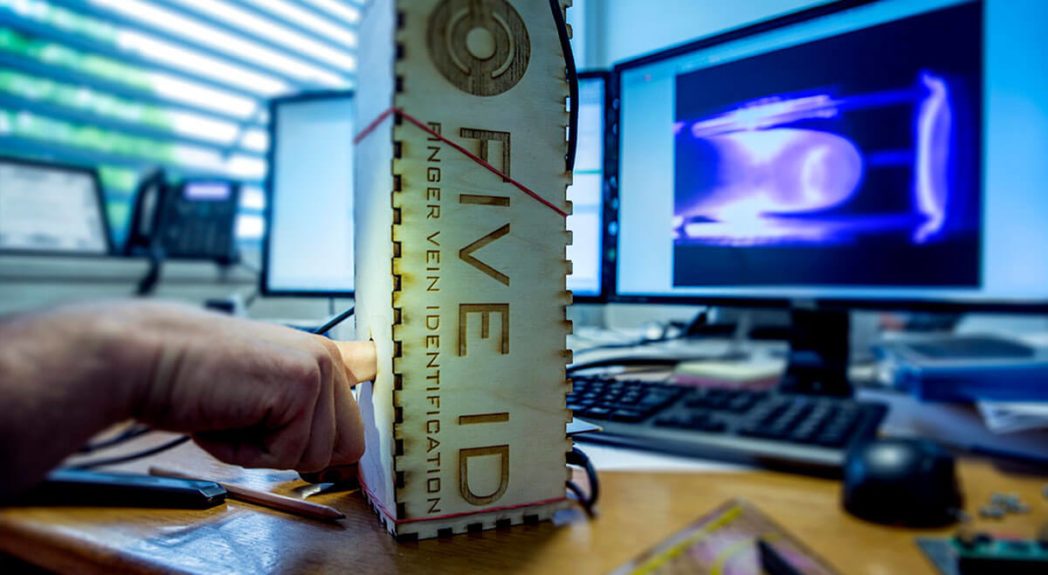
Vascular biometrics is an important aspect of the security research conducted by Andreas Uhl, Deputy Head of the Computer Science Department and Director of the Multimedia Signal Processing and Security Lab at the University of Salzburg. Alongside his team and more than 12 partner institutions from the United Kingdom, Germany, Poland, and France, he is working on biometric modalities in border control as part of the EU project PROTECT. Uhl leads the area of vein and security technology, contributing to the field of iris biometrics.
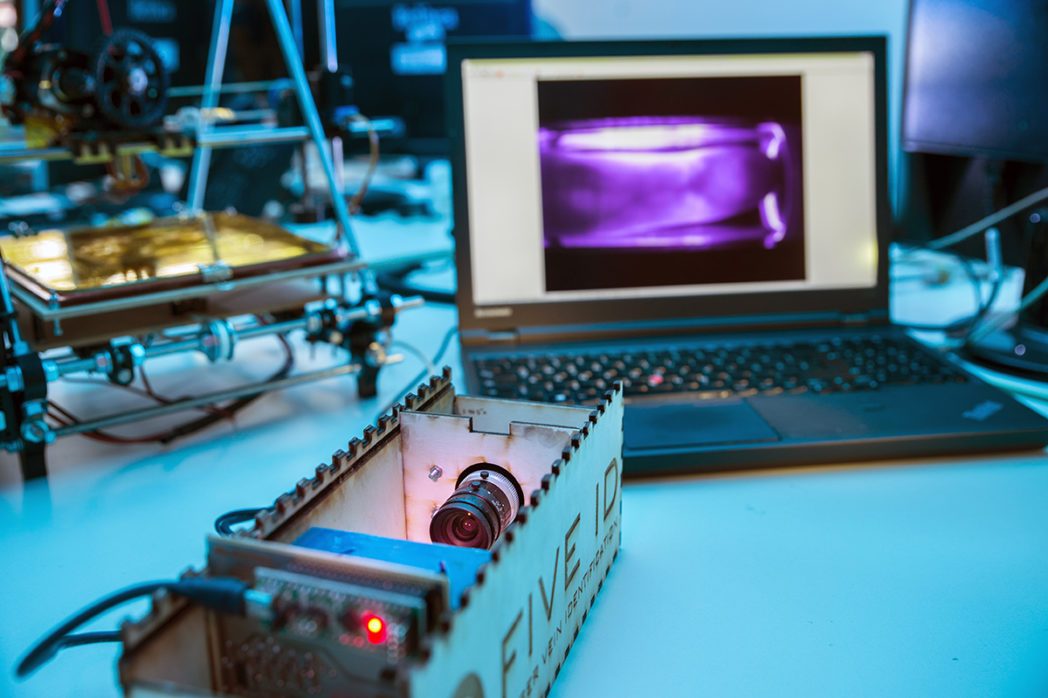
ATMs with Vein Recognition
Unlike fingerprints, vein-based biometric traits are less susceptible to environmental influences, making them more robust and less easily forged. Tests have shown that common smartphone fingerprint sensors can be cracked within two weeks. Even the traditional ATM PIN is considered insecure. “Credit card institutions accept the low level of security as long as the damage is not too high,” says Uhl. In Japan, vein-based biometric authentication is already used in ATMs, and the bank Barclays in the UK uses it for home banking. However, biometric security technology is still in its infancy. “We don’t know much yet. There are few independent studies on the robustness in cold and other challenging recording conditions,” says Uhl. The computer scientist is researching how such technology would fare in the Austrian banking environment in a project with social scientists. “We are examining how a biometric security feature would be received by the population instead of a PIN code,” says the expert.
ATMs would need to be equipped with corresponding modules, and bank customers would have to store their personal traits. One important aspect is the protection of biometric traits against theft because “if a database containing biometric traits is stolen, legitimate users cannot prevent their traits from being used.” In case of loss, the trait would be lost and cannot be changed like a password. However, there are technologies that can store altered traits. “In these systems, the traits are combined with a key in the form of a PIN code. In the event of data loss, the keys used are changed, rendering the lost data worthless. For me, this is the key to secure biometric usage.”
This might also interest you
15. April 2026
From AI to energy: Four Salzburg companies recognised
In 2026, the Salzburg Innovation Award was presented for the first time, introducing a new distinction for particularly innovative companies in the region. The four awarded projects highlight the diversity of innovation in Salzburg – ranging from satellite data and artificial intelligence to recycling technologies and digital energy infrastructure.
12. March 2026
SALZ 2026: Innovation and Technology in Focus – Startups, AI and Future Markets in Salzburg
The SALZ – Festival for Innovation & Technology brought together companies, startups, research institutions and public stakeholders at Messe Salzburg on 11 March 2026. With keynotes, panels, matchmaking and startup pitches, the event provided a platform for emerging technology trends, new collaborations and exchange within the innovation ecosystem.
18. February 2026
SALZ 2026: A Festival for Innovation
How can companies remain competitive, innovative, and resilient in challenging times? SALZ – Festival for Innovation & Technology, together with the startup and investment conference SALT’N’VENTURE, will provide concrete answers on March 11, 2026, at Messezentrum Salzburg, bringing together industry, startups, and investors.
17. February 2026
Life Sciences Center Salzburg Launched
With the Life Sciences Center Salzburg (LSCS), a new inter-university center is being established to strengthen Salzburg as a hub for research and innovation. The federal government and the Province of Salzburg are jointly investing €15 million in its development. It was publicly presented on February 17, 2026, at Unipark Nonntal.