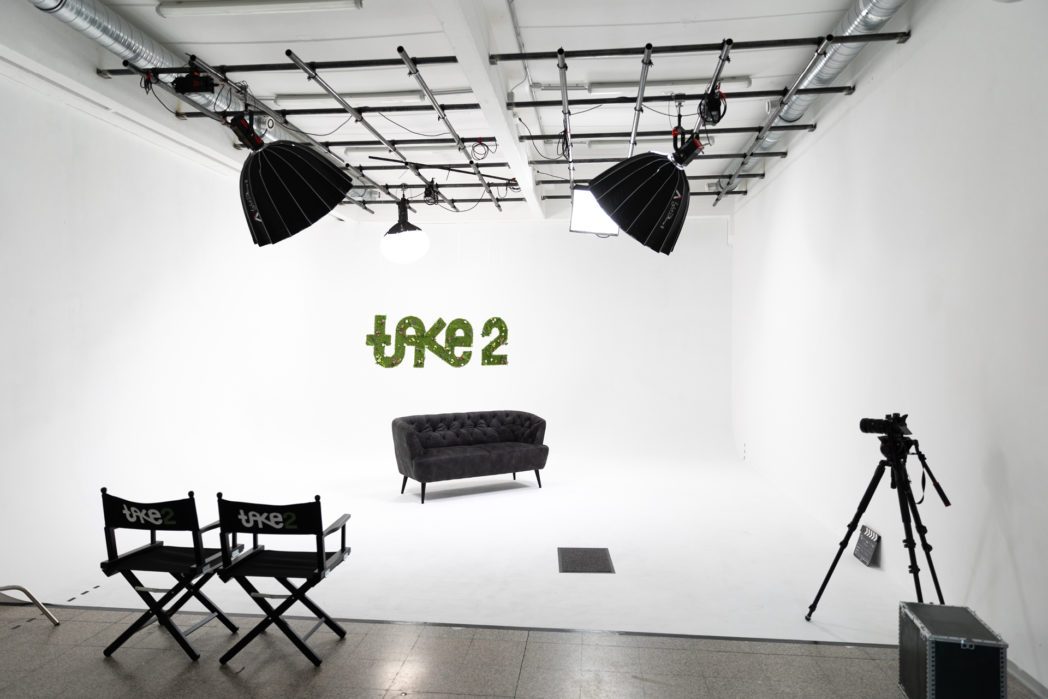
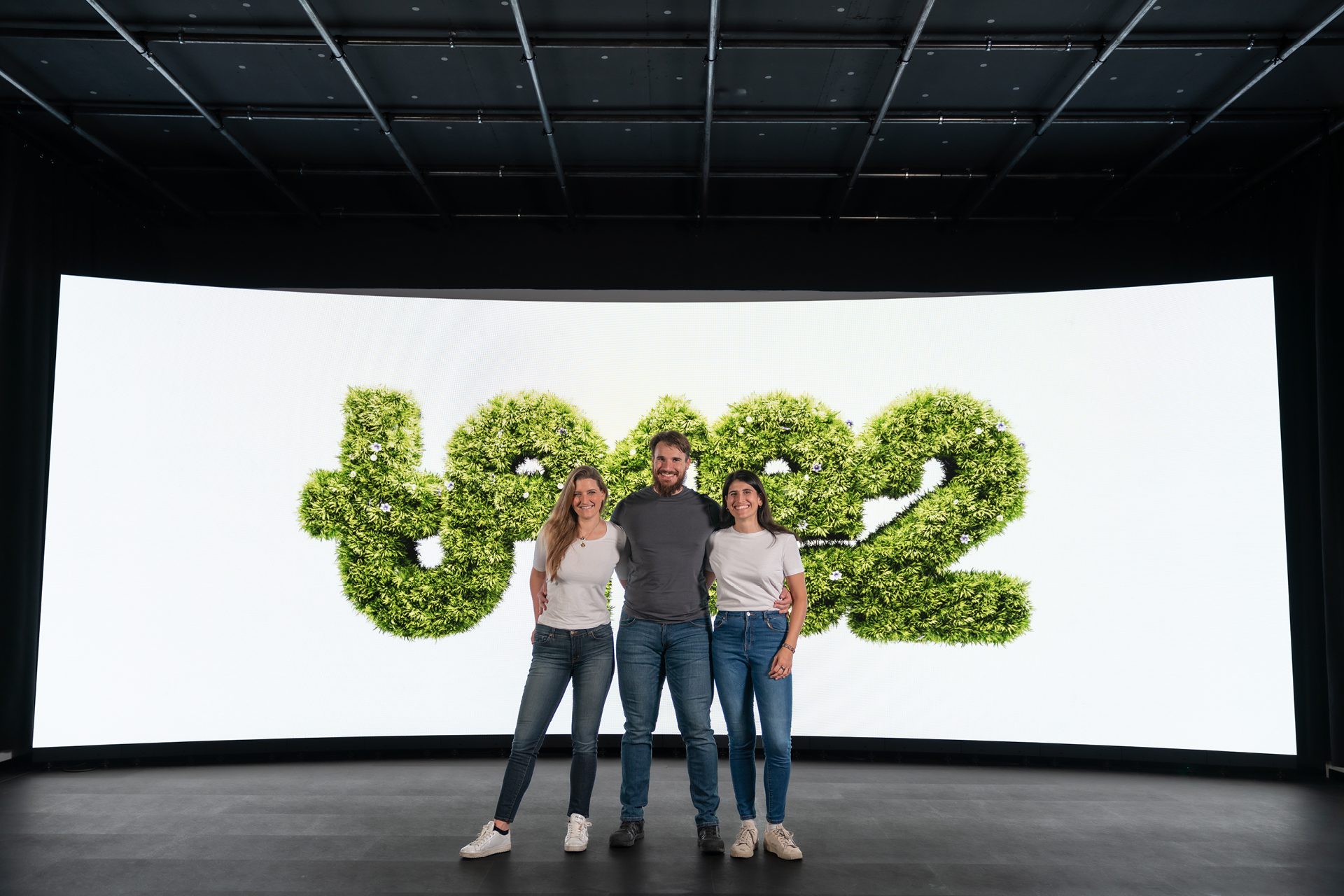
The name Take 2 is derived from the founders of the studio: the siblings Viktoria and Felix Brandstetter. Before founding the company, the two creative minds often worked together on the same projects, using their complementary skills. In the fall of 2022, they founded their own studio and brought together years of experience in film, real-time technologies, graphic design and marketing in the new Take 2 Studios in Salzburg-Sam.
The team is dedicated to delivering immersive and engaging experiences from conception to realization for anyone looking to enhance their projects with virtual production. By integrating the latest technology, the siblings aim to lead the virtual production industry in Austria and set new standards for quality and innovation in the field of moving images.
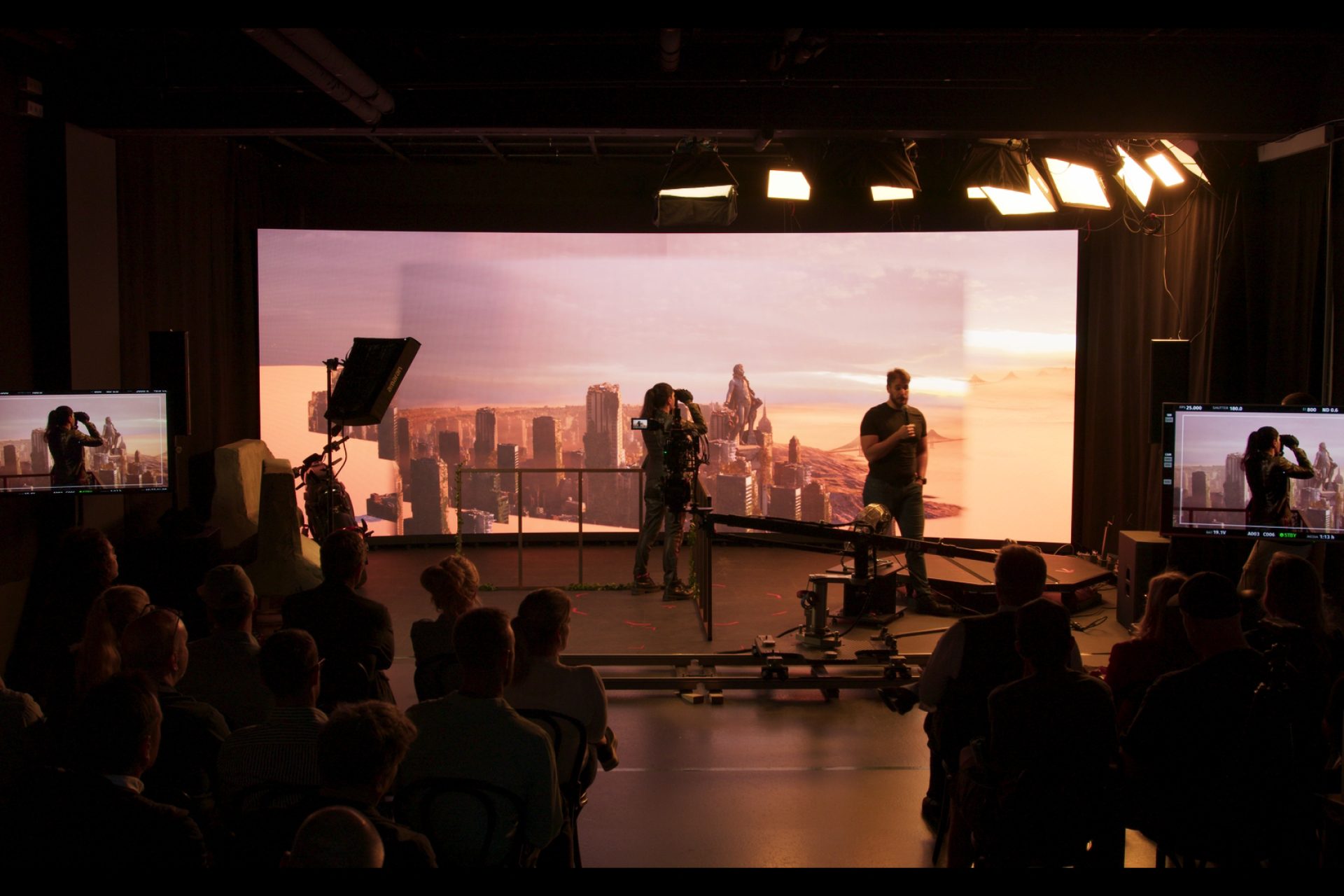
The Take 2 Studios complex consists of two studios. Studio 1 has an 8 x 3 meter LED wall, while Studio 2 has a large panoramic wall.
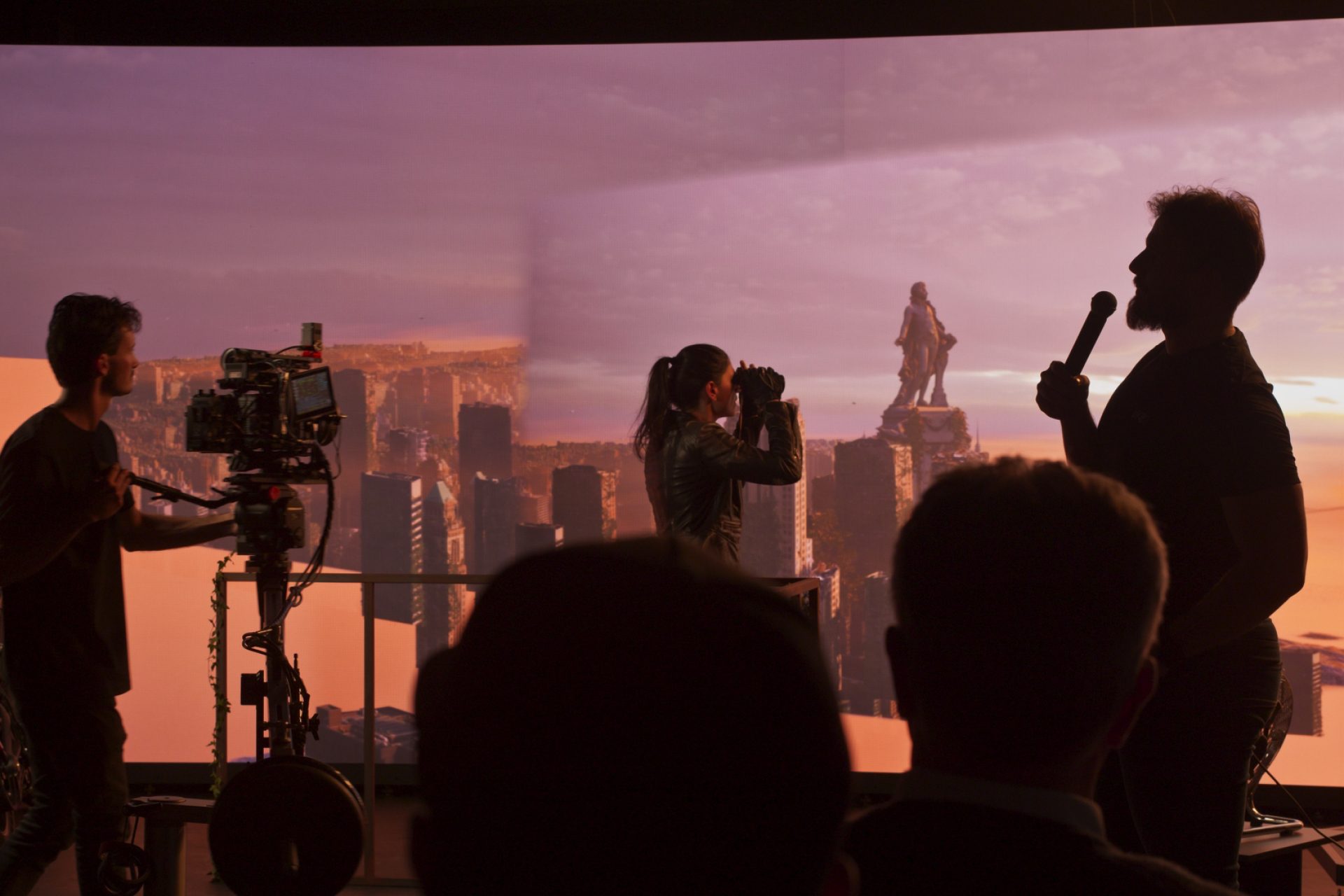
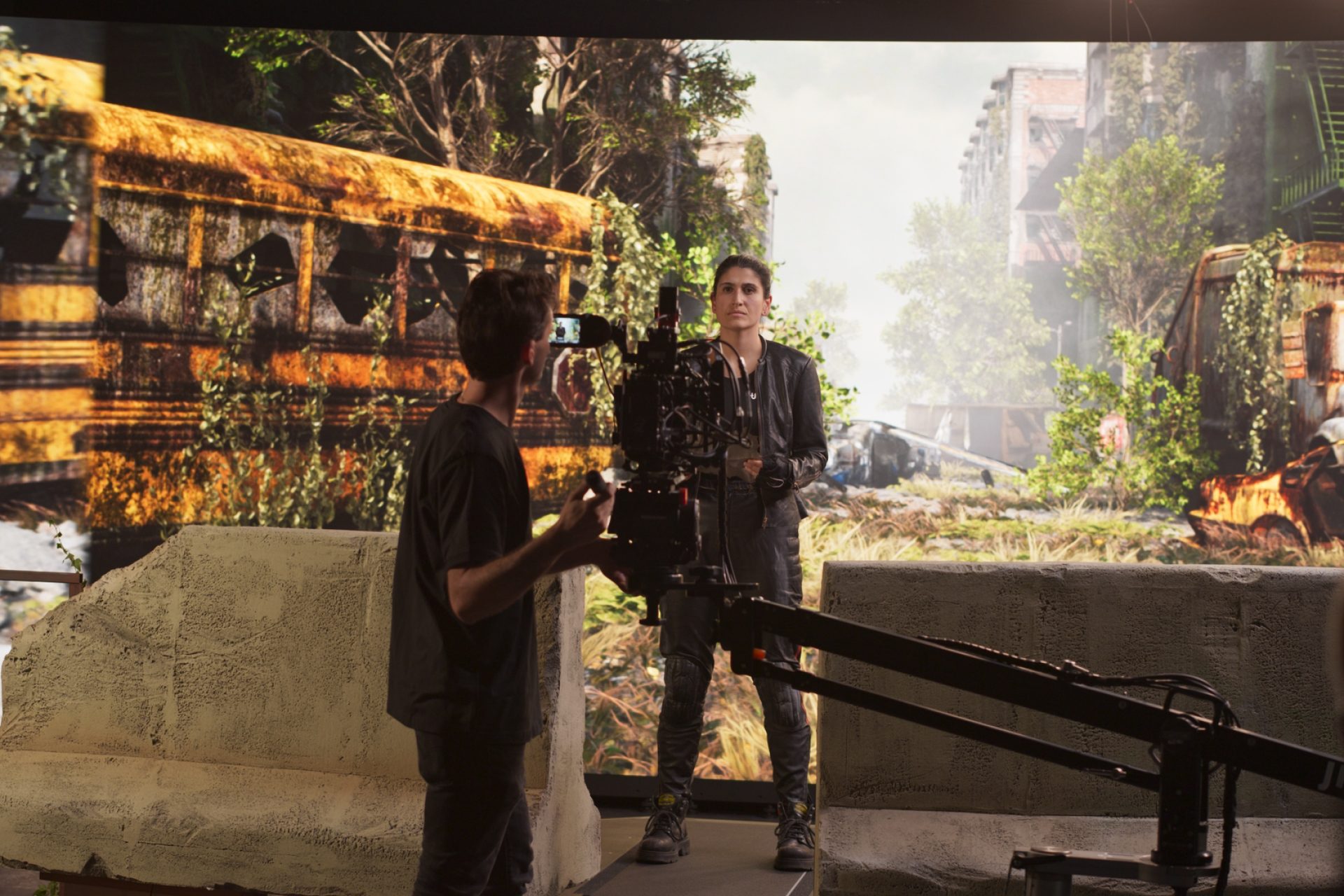
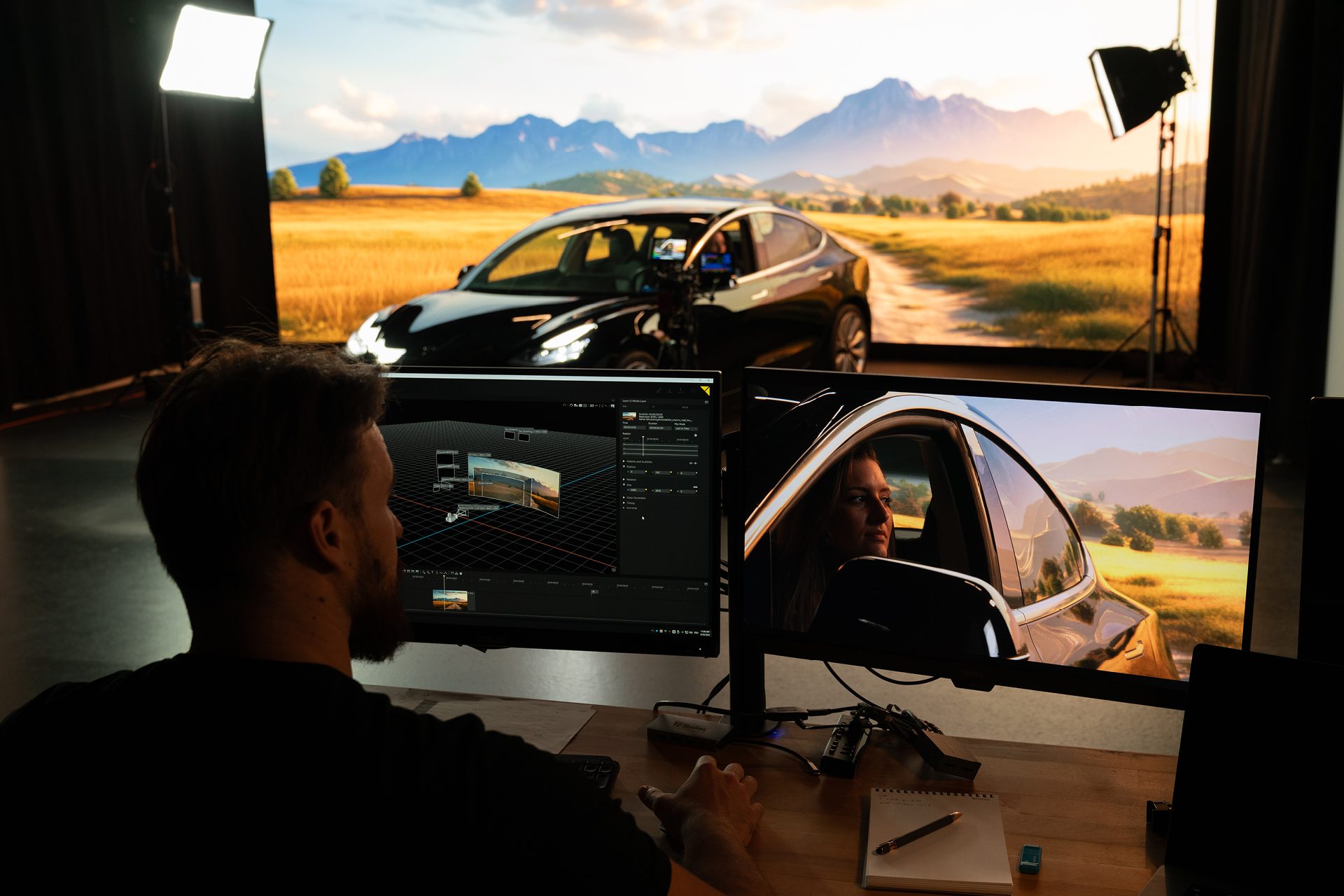
What is special about the technology is that it enables a mixture of real actors and computer-generated environments. Instead of building real sets, backgrounds can be created digitally and the actors interact with these virtual worlds.
Advantages of a virtual production studio:
- Virtual sets: digital environments are created instead of physical backdrops. The actors see these environments on screens while standing in front of a special backdrop.
- Real-time technology: the virtual environments are generated in real time, which means that the scenery adapts immediately when the camera or actors move.
- Motion capture: the actors’ movements are captured using special suits and cameras. This motion data is then transferred to digital characters or models.
- LED walls: LED walls are used to display the virtual environments. The lighting and reflections are adjusted in real time to enhance the illusion of realism.
- Cost efficiency: by using virtual technologies, filmmakers can reduce costs for physical sets, travel and other logistical challenges.
- Overall, virtual film production allows for a more flexible and efficient way of filmmaking by blurring the lines between the real and digital worlds.
Focus on education and sustainability
Take 2 Studios aims to be 100% powered by renewable energy by 2024. Viktoria and Felix’s team are also giving the next generation of filmmakers access to virtual production by incorporating their practical experience into the curriculum at the Salzburg University of Applied Sciences.
This might also interest you
12. March 2026
SALZ 2026: Innovation and Technology in Focus – Startups, AI and Future Markets in Salzburg
The SALZ – Festival for Innovation & Technology brought together companies, startups, research institutions and public stakeholders at Messe Salzburg on 11 March 2026. With keynotes, panels, matchmaking and startup pitches, the event provided a platform for emerging technology trends, new collaborations and exchange within the innovation ecosystem.
18. February 2026
SALZ 2026: A Festival for Innovation
How can companies remain competitive, innovative, and resilient in challenging times? SALZ – Festival for Innovation & Technology, together with the startup and investment conference SALT’N’VENTURE, will provide concrete answers on March 11, 2026, at Messezentrum Salzburg, bringing together industry, startups, and investors.
11. November 2025
Eleven Million Euros for Five New Research Centers
Salzburg is investing in research: around eleven million euros from EU and state funds will go toward establishing five new research and transfer centers. They cover key future-oriented topics: artificial intelligence, climate protection, health, tourism, and data security.
24. October 2025
Christian Doppler Laboratory unites Artificial Intelligence and Image Processing in Salzburg
Salzburg is strengthening its cutting-edge research: In the new Christian Doppler Laboratory for the Authentication of Persons and Object Surfaces, innovative solutions for enhanced security are being developed by combining artificial intelligence and image processing. These solutions are created in close collaboration between science and industry.