Knowledge Transfer at the Highest Level
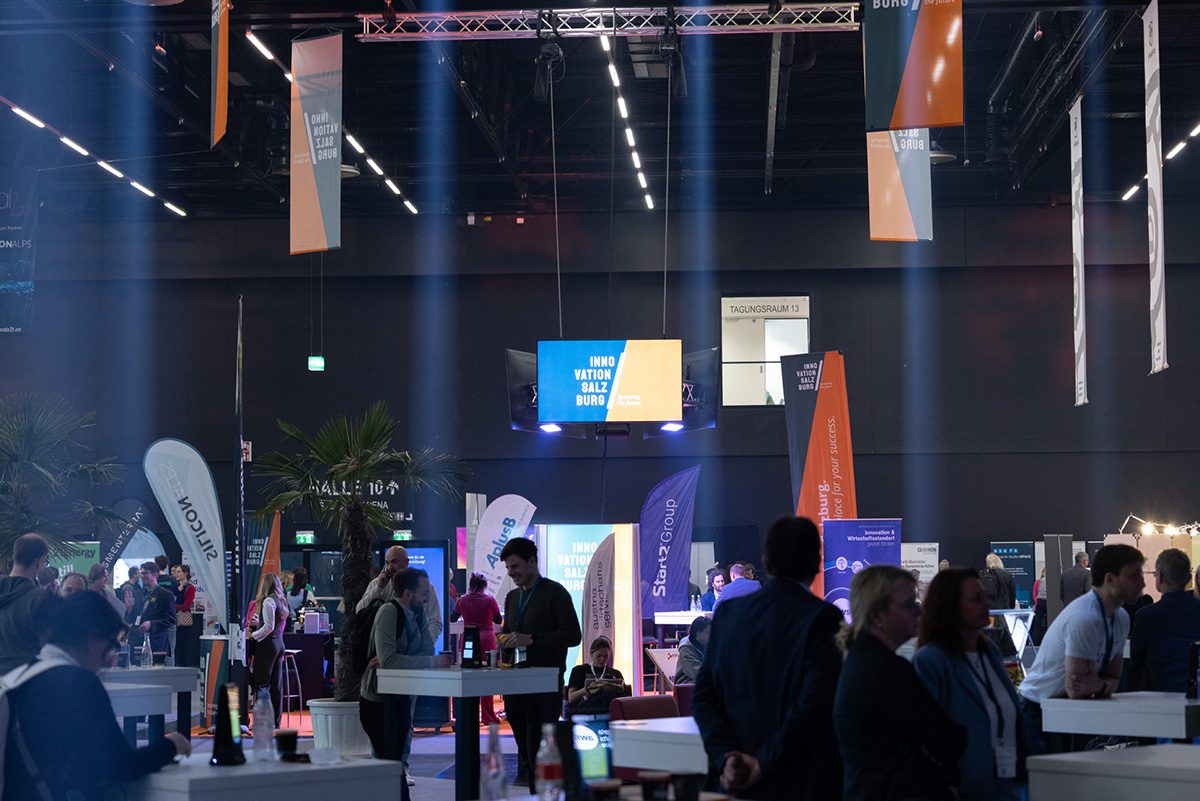
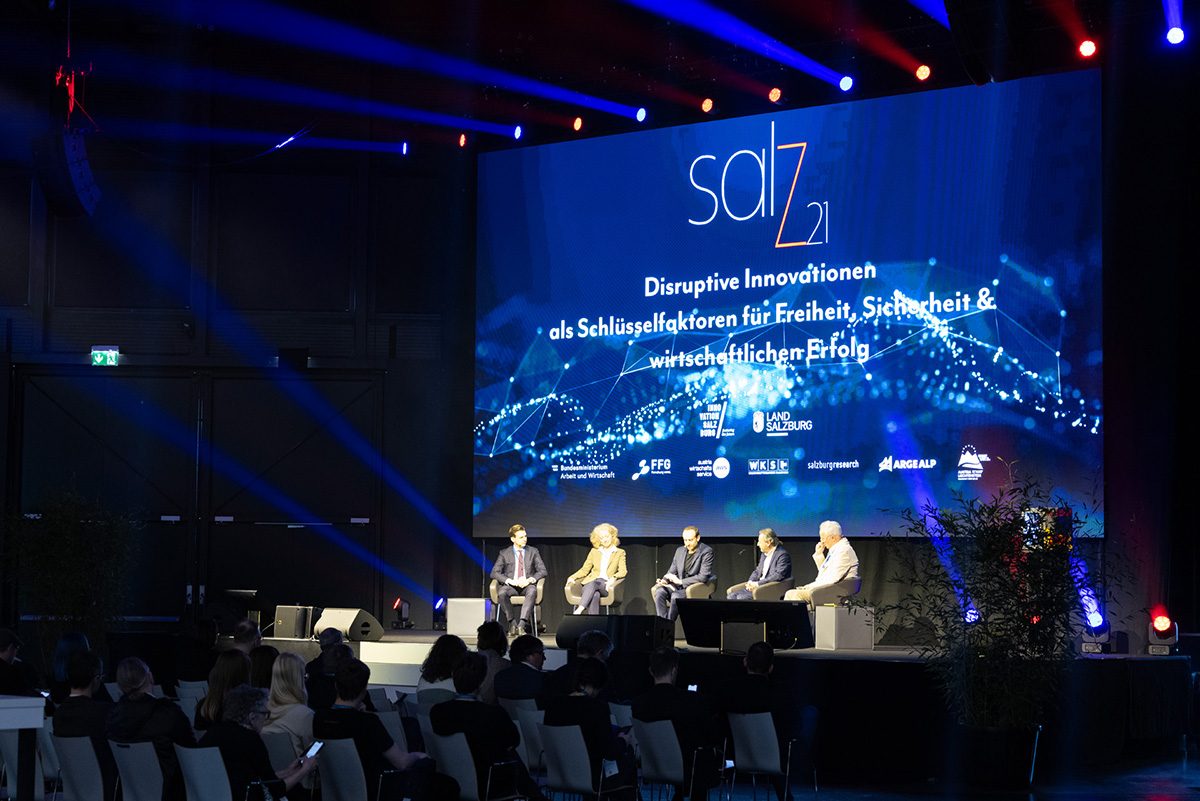
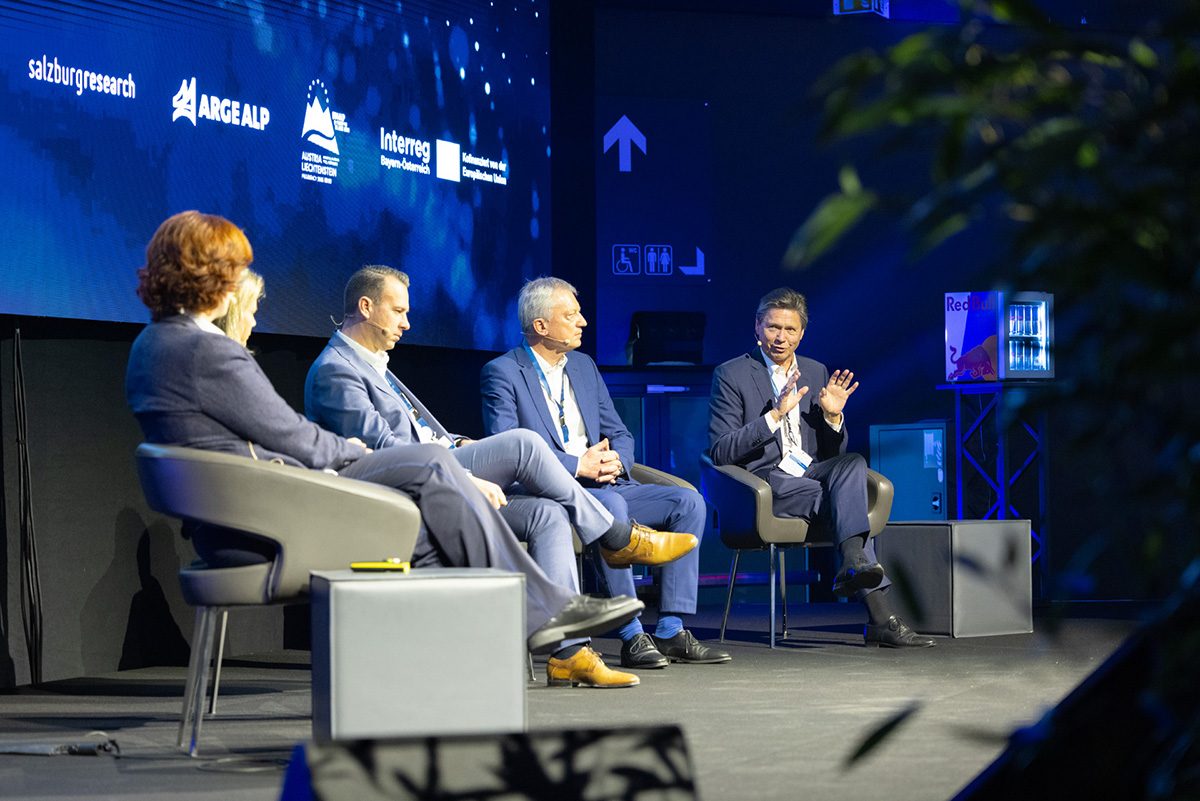
With eight main stage program highlights, ten side events, the startup and investment conference SALT’N’VENTURE, and over 100 renowned experts, a wide spectrum of knowledge and innovation was presented. The focus extended beyond the Salzburg region, addressing the global challenges and opportunities of our time.
Climate Protection: A Question of Economic Rationality
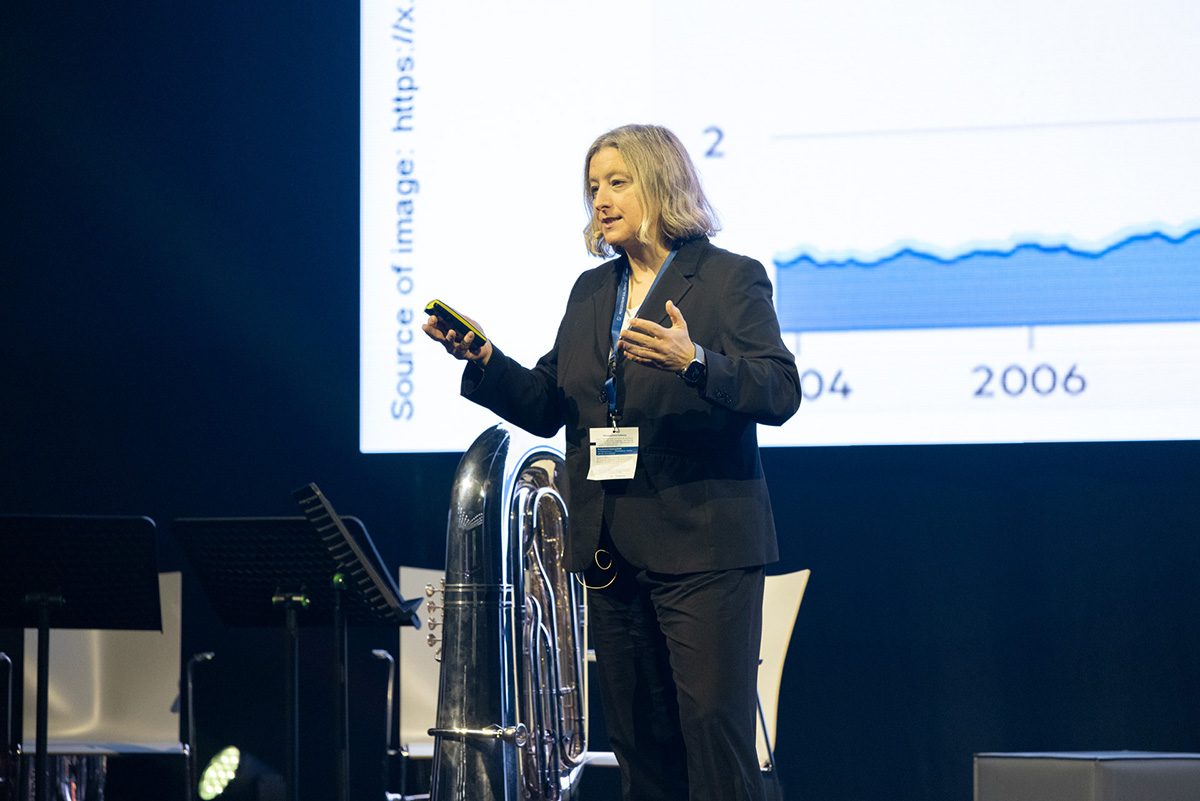
One of the central topics was climate protection, which was impressively highlighted by Sigrid Stagl, a researcher in ecological economics and sustainability at the Vienna University of Economics and Business and Scientist of the Year 2024. She made it clear: climate protection is not an ideological issue but an economic necessity.
The most expensive option would be to do nothing. Conversely, achieving climate neutrality would be the most economically viable solution. Currently, $2 trillion is invested in climate protection worldwide, while $7 trillion flows into fossil fuels. To reach climate neutrality, $9 trillion would be needed— a redistribution that could be realized with political will. Particularly alarming is the scenario of global warming exceeding 3°C, leading to a so-called “Hot House World,” where staying outdoors for more than 30 minutes would be life-threatening. The message was clear: no climate protection is not an option.
Europe in a Global Value Conflict
Wilhelm Sandrisser, an expert in security policy, shifted the focus to the value conflict Europe is facing. The key question: How do we want to live in the future? Two opposing worldviews are emerging:
- A societal model based on human dignity, individual freedom, and human rights.
- A model that demands subordination to an ideology or religion defined as “right.”
Especially in the digital age, Europe must defend the values of freedom and democracy. Sandrisser advocated for digital humanism as a guiding principle, emphasizing that the problem is not the technology itself, but its use and control. He also warned that democracies could become critically dependent on individual companies or states.
Artificial Intelligence: Regulation as an Innovation Barrier?
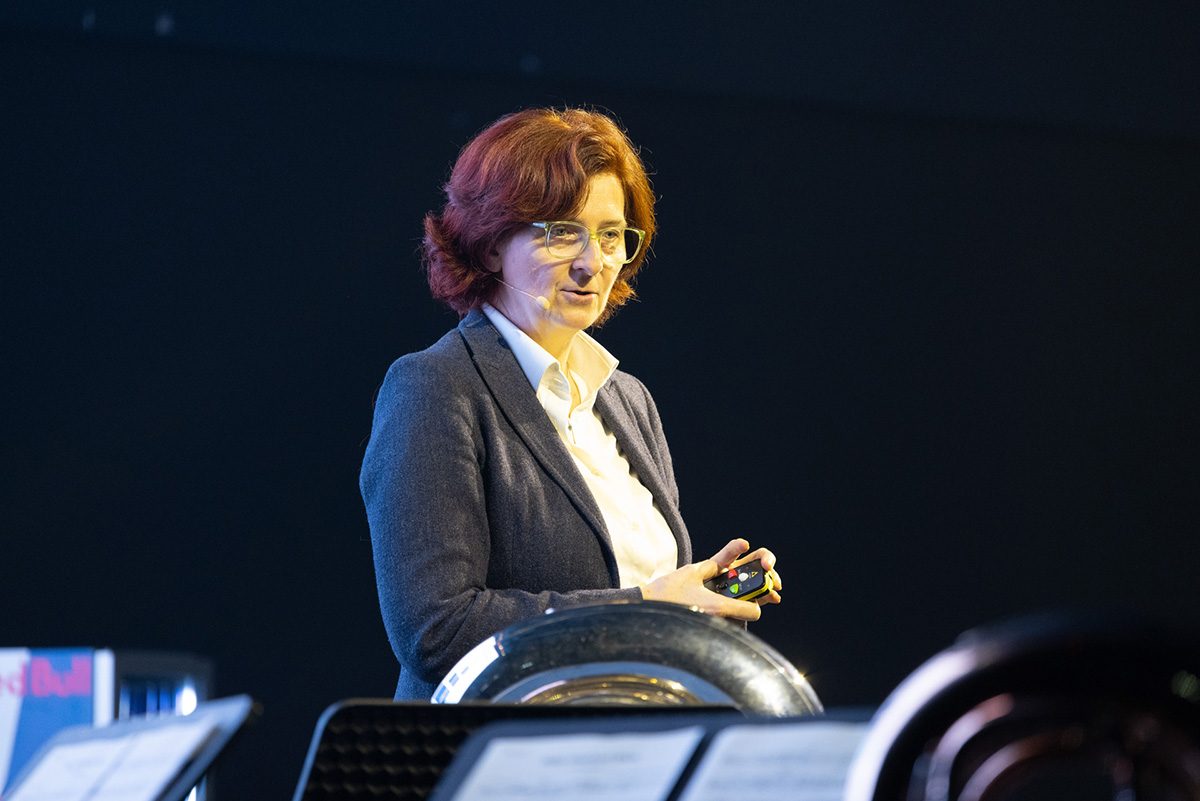
Nicole Formica-Schiller, Expert in Digital Transformation through Artificial Intelligence (AI), addressed the role of artificial intelligence (AI) for Europe’s economic competitiveness. In her view, excessive regulation within the European Union stifles innovation and discourages businesses. Many companies hesitate to engage with AI due to concerns about bureaucratic hurdles and high costs.
Additionally, the public debate is heavily influenced by negative headlines, fostering fears about AI. However, there are numerous positive applications, particularly in healthcare. For example, AI-driven risk analyses could help recommend targeted cancer screenings, ultimately saving lives.
Europe’s Innovative Strength: Nurturing Talent, Seizing Opportunities
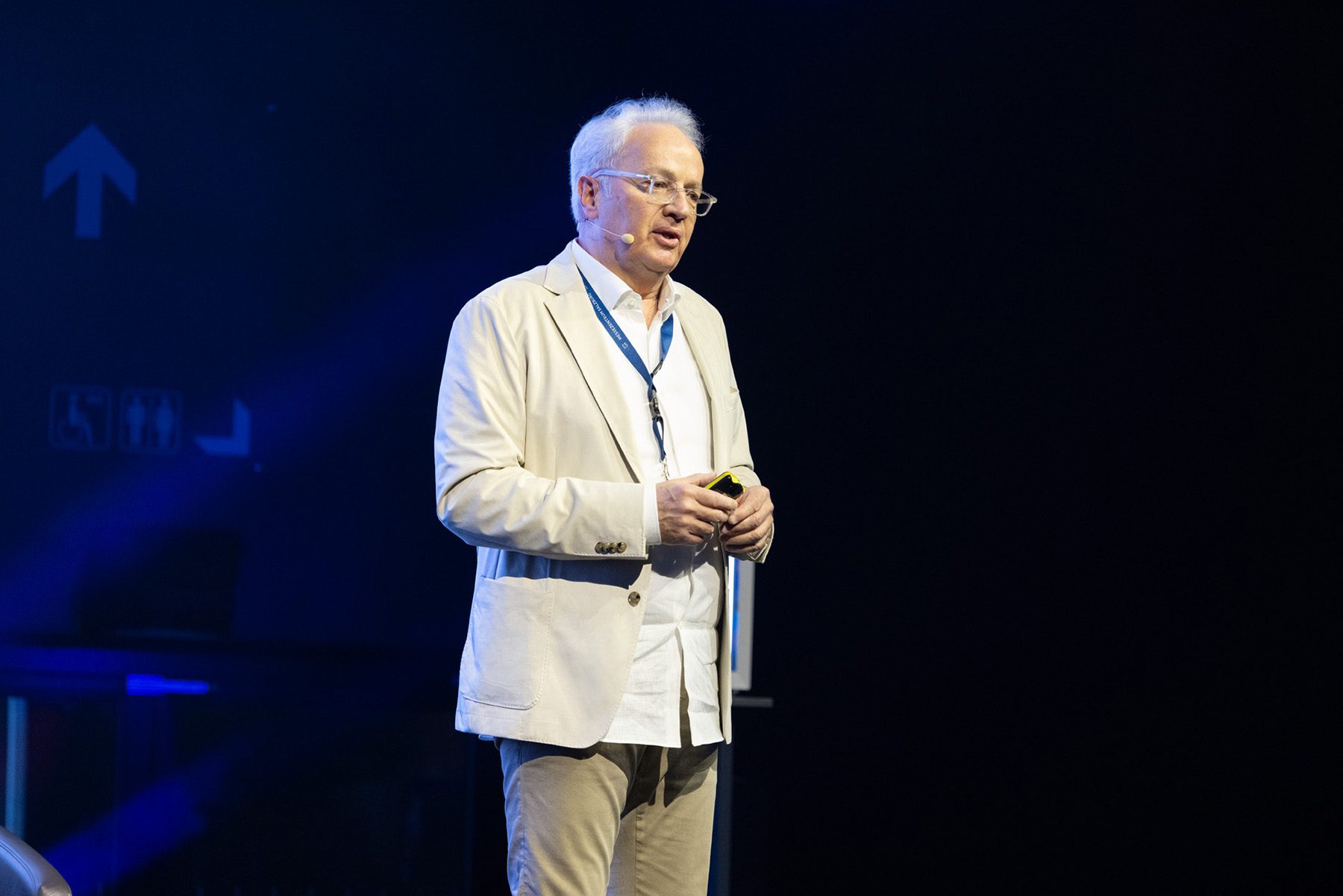
Isabell Welpe, Professor of Strategy and Organization at the Technical University of Munich, emphasized that Europe is by no means lagging behind in technology, showcasing impressive examples. The Technical University of Munich’s team won the Hyperloop Contest—a competition for developing innovative high-speed transport—four times in a row. Similarly, the German company Isar Aerospace demonstrates Europe’s potential by developing the Spectrum rocket, a cost-effective, methane-powered launch vehicle for small satellites. Its goal: ensuring Europe’s independent access to space. However, Welpe criticized that excessive regulations often prevent such innovations from reaching market maturity in Europe.
Europe boasts excellent talent—but they don’t stay. Countries like France, Italy, Germany, Spain, and Austria rank among the largest net exporters of skilled professionals to the U.S.. Solutions for Europe must therefore focus on retaining talent, improving university networks, removing unnecessary regulations, and embracing the opportunities of artificial intelligence.
Europe Must Leverage Its Strengths
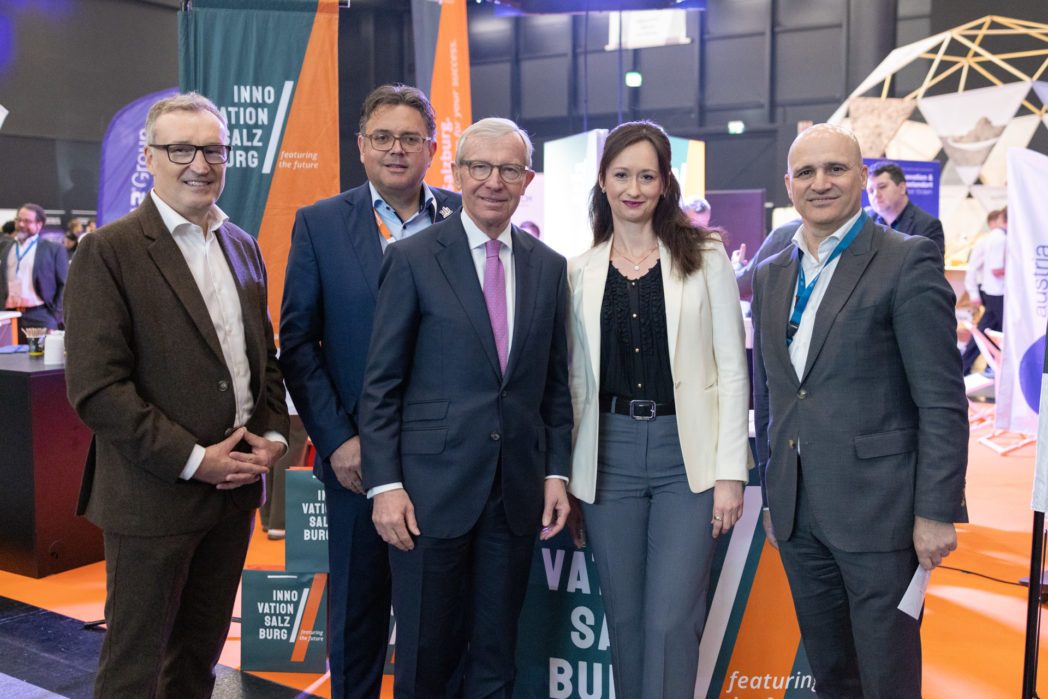
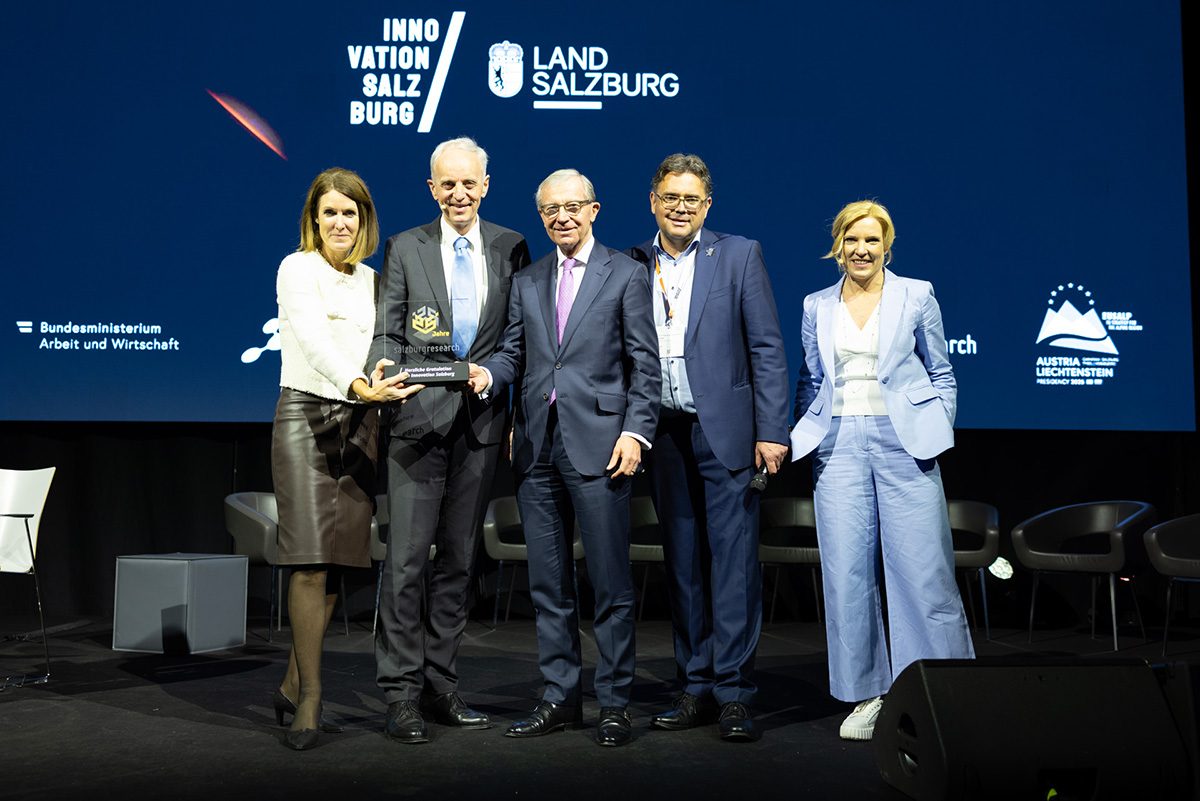
Governor Wilfried Haslauer put it plainly: “It is time for Europe to wake up and recognize its strengths!” The continent is large and powerful enough to shape the future positively. However, achieving this requires a shared vision and the determination to actively tackle challenges.
This might also interest you
12. March 2026
SALZ 2026: Innovation and Technology in Focus – Startups, AI and Future Markets in Salzburg
The SALZ – Festival for Innovation & Technology brought together companies, startups, research institutions and public stakeholders at Messe Salzburg on 11 March 2026. With keynotes, panels, matchmaking and startup pitches, the event provided a platform for emerging technology trends, new collaborations and exchange within the innovation ecosystem.
18. February 2026
SALZ 2026: A Festival for Innovation
How can companies remain competitive, innovative, and resilient in challenging times? SALZ – Festival for Innovation & Technology, together with the startup and investment conference SALT’N’VENTURE, will provide concrete answers on March 11, 2026, at Messezentrum Salzburg, bringing together industry, startups, and investors.
17. February 2026
Life Sciences Center Salzburg Launched
With the Life Sciences Center Salzburg (LSCS), a new inter-university center is being established to strengthen Salzburg as a hub for research and innovation. The federal government and the Province of Salzburg are jointly investing €15 million in its development. It was publicly presented on February 17, 2026, at Unipark Nonntal.
16. February 2026
Kick-off for the Salzburg Innovation Award
The WIKARUS – Salzburg Business Award will be presented every two years in the future. In the intervening years, the Salzburg Innovation Award will be announced, launching for the first time in 2026.