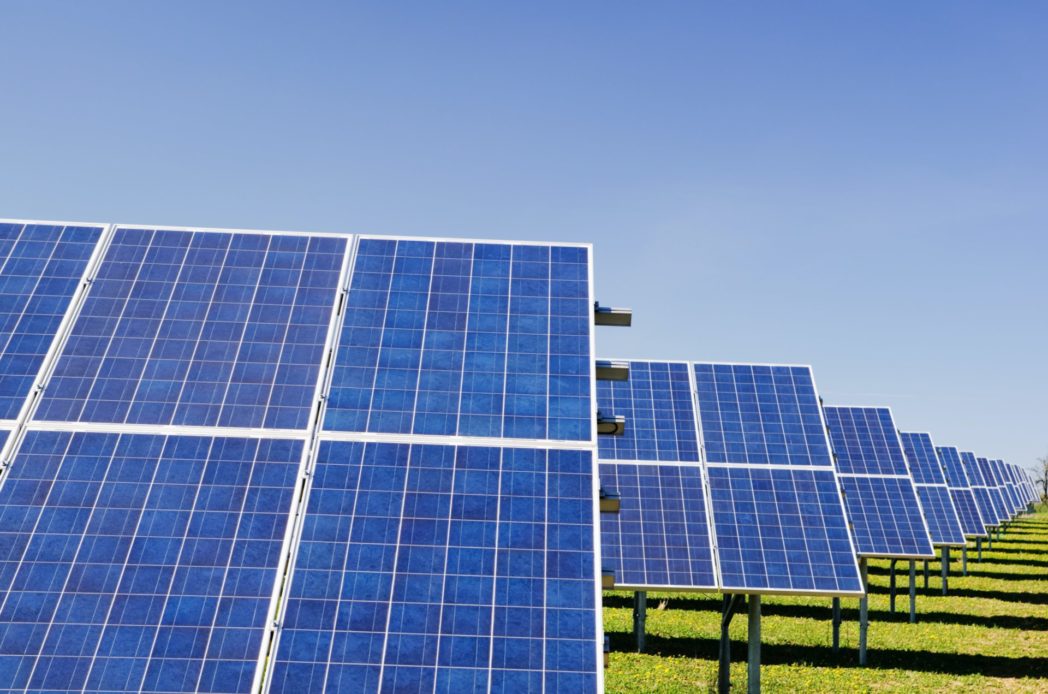
Cybersecurity for energy systems, which may sound cumbersome, benefits energy consumers, suppliers, and the environment in the long run. Consumers and suppliers don’t necessarily have to be two separate entities: an increasing number of people generate their own energy through solar panels or small combined heat and power plants. They often produce more energy than they need and could feed the excess electricity into the grid. To ensure optimal supply to network participants, it is essential to know not only who is feeding how much energy into the grid at a given time but also when and where the energy will be needed. While digitization provides solutions, it also brings challenges, and one of them pertains to data handling.
Data security for end customers
In Salzburg, Professor Dominik Engel and his team at the Center for Secure Energy Informatics at the Salzburg University of Applied Sciences are focusing on digital energy systems and their security. Together with their research partners, they have already achieved several results. One of them is a user interface for network participants that allows them to adjust the amount of data they want to share. “Since most people are not familiar with technical details, we provide a simplified representation. On one side, we explain what information is disclosed with each setting level and what inferences can be drawn from this data. On the other side, users can see the benefits they gain from sharing this data,” explains Engel. “This way, everyone can evaluate how far they want to go. The fact is, the more data someone provides, the more information is available about that person.” Another important focus at the Center for Secure Energy Informatics is data encryption. They have developed methods that transform data from individual sources into a comprehensive picture. The more data is inputted, the clearer the picture becomes, enabling better and more accurate analysis. This ensures the usefulness of the data while preventing inferences about individual households. With such encryption technologies, anyone can contribute to electricity generation without worries or fears. In the long run, this can significantly contribute to the energy transition.
Planning software for IT security
In addition to handling user data with care, ensuring the overall security of digital energy systems is of utmost importance, both on a large and small scale. “Our society relies on the availability of electricity,” says Engel. “If there is a prolonged power outage, it can lead to unrest.” Moreover, smart home technologies are being increasingly adopted in many buildings. Blinds, heating systems, and even door locks can be digitally controlled. To eliminate security vulnerabilities, researchers at the Center for Secure Energy Informatics have developed planning software that allows for drawing the overall architecture of the respective IT network and automatically detects vulnerabilities.
Further links
This might also interest you
12. March 2026
SALZ 2026: Innovation and Technology in Focus – Startups, AI and Future Markets in Salzburg
The SALZ – Festival for Innovation & Technology brought together companies, startups, research institutions and public stakeholders at Messe Salzburg on 11 March 2026. With keynotes, panels, matchmaking and startup pitches, the event provided a platform for emerging technology trends, new collaborations and exchange within the innovation ecosystem.
18. February 2026
SALZ 2026: A Festival for Innovation
How can companies remain competitive, innovative, and resilient in challenging times? SALZ – Festival for Innovation & Technology, together with the startup and investment conference SALT’N’VENTURE, will provide concrete answers on March 11, 2026, at Messezentrum Salzburg, bringing together industry, startups, and investors.
17. February 2026
Life Sciences Center Salzburg Launched
With the Life Sciences Center Salzburg (LSCS), a new inter-university center is being established to strengthen Salzburg as a hub for research and innovation. The federal government and the Province of Salzburg are jointly investing €15 million in its development. It was publicly presented on February 17, 2026, at Unipark Nonntal.
11. November 2025
Eleven Million Euros for Five New Research Centers
Salzburg is investing in research: around eleven million euros from EU and state funds will go toward establishing five new research and transfer centers. They cover key future-oriented topics: artificial intelligence, climate protection, health, tourism, and data security.