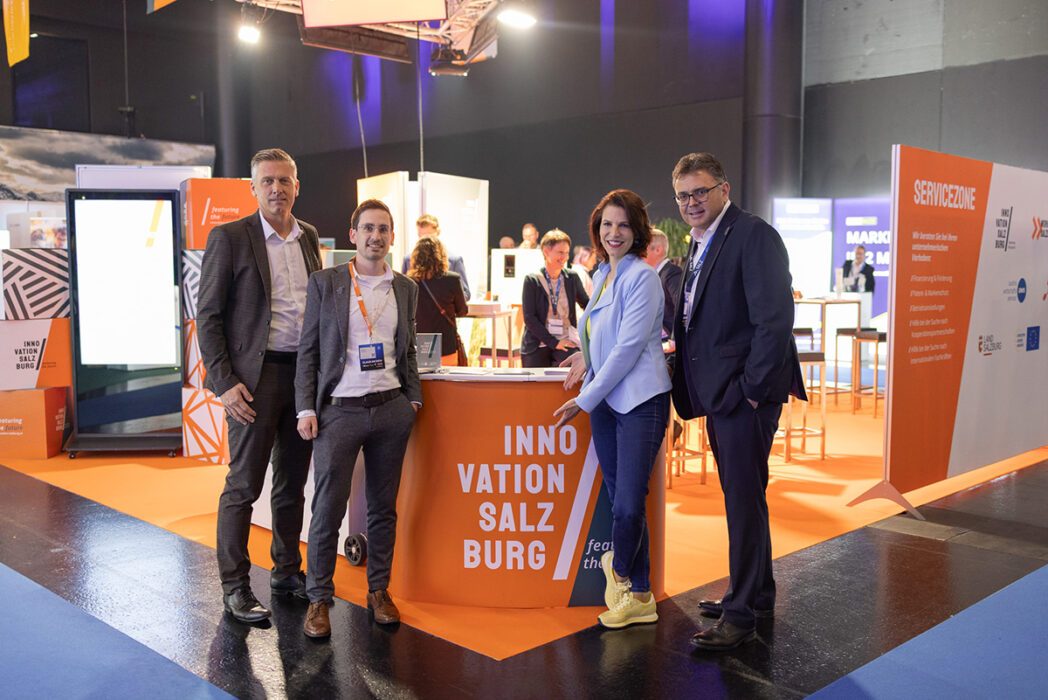
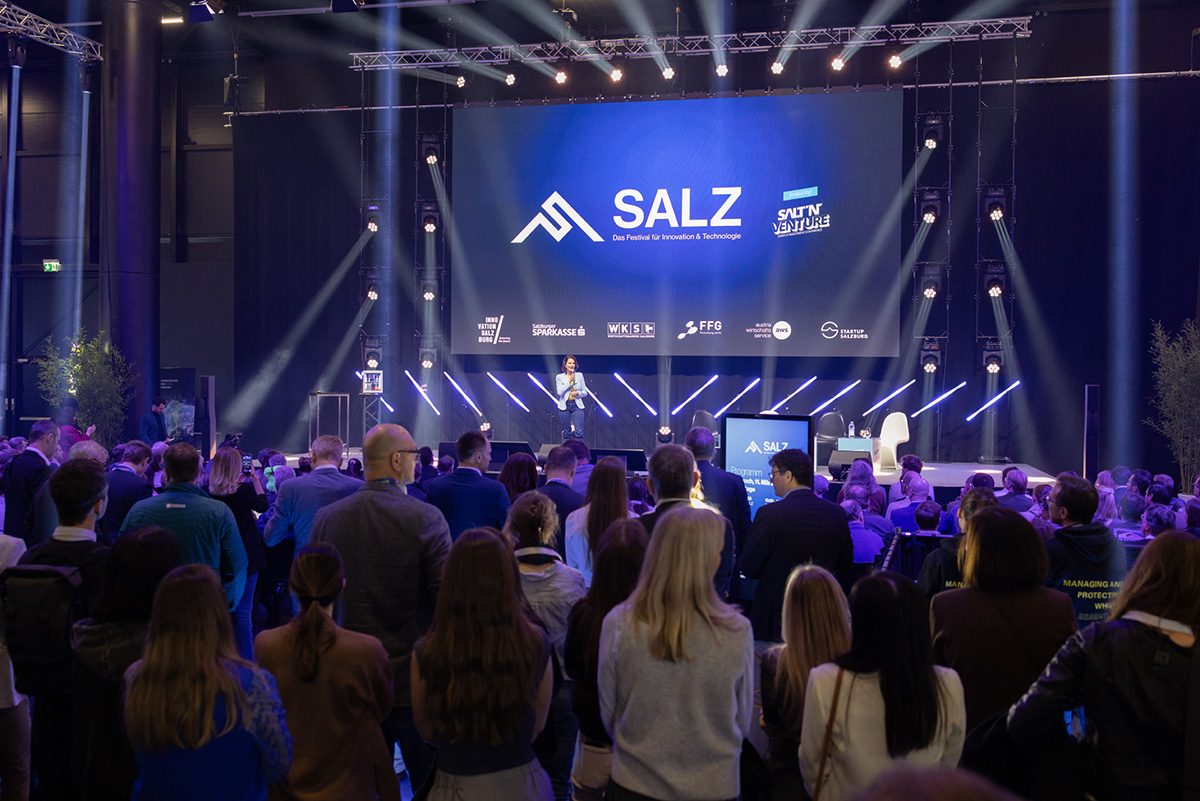
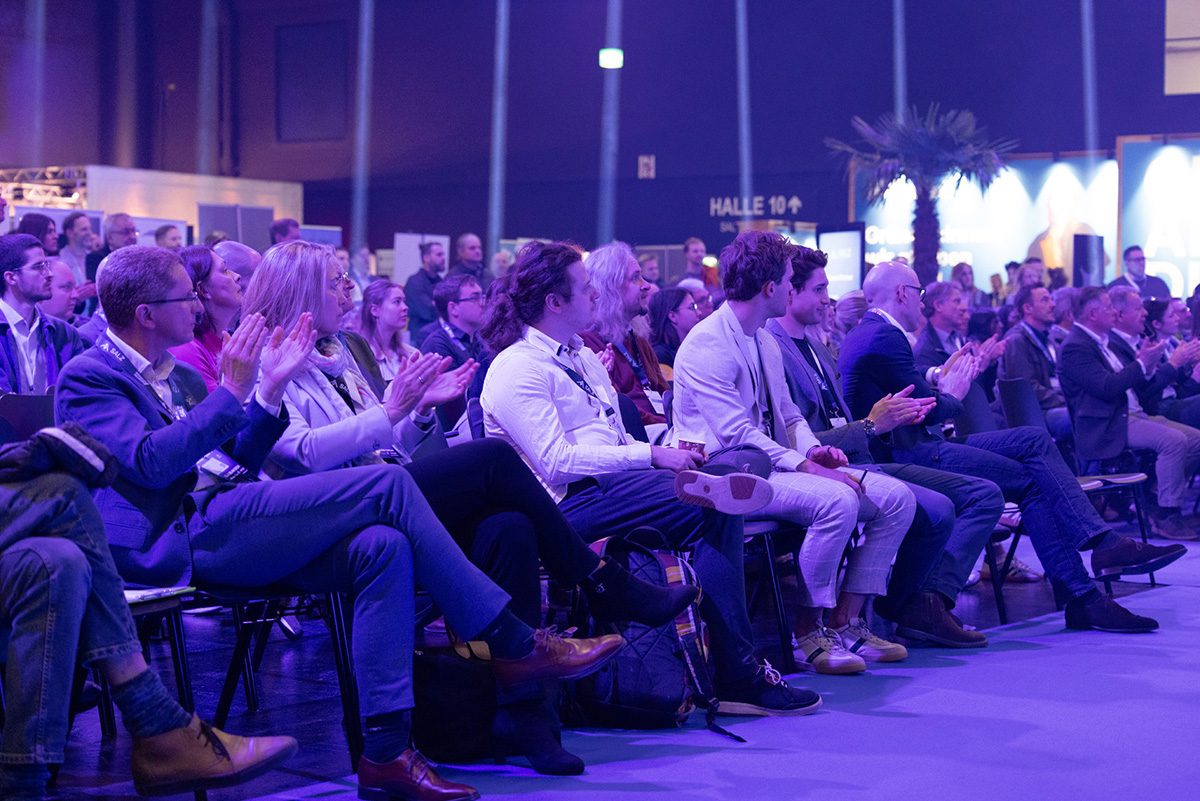
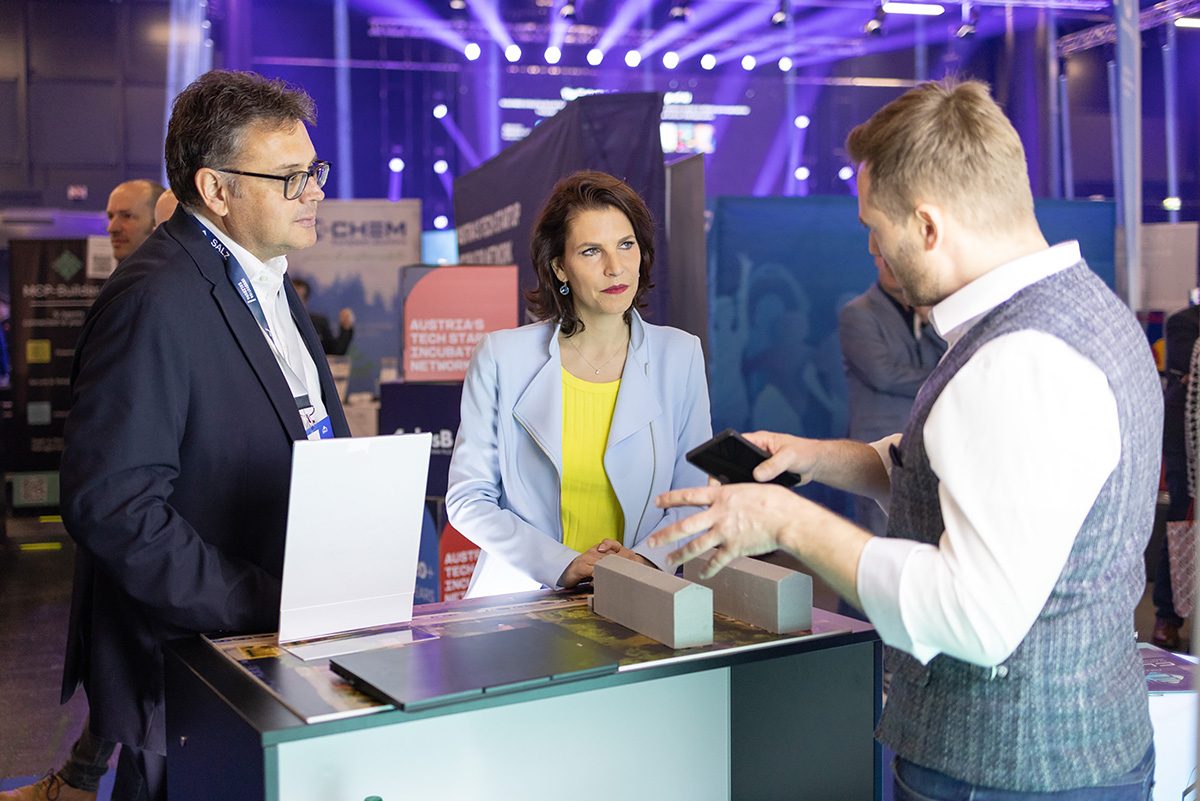
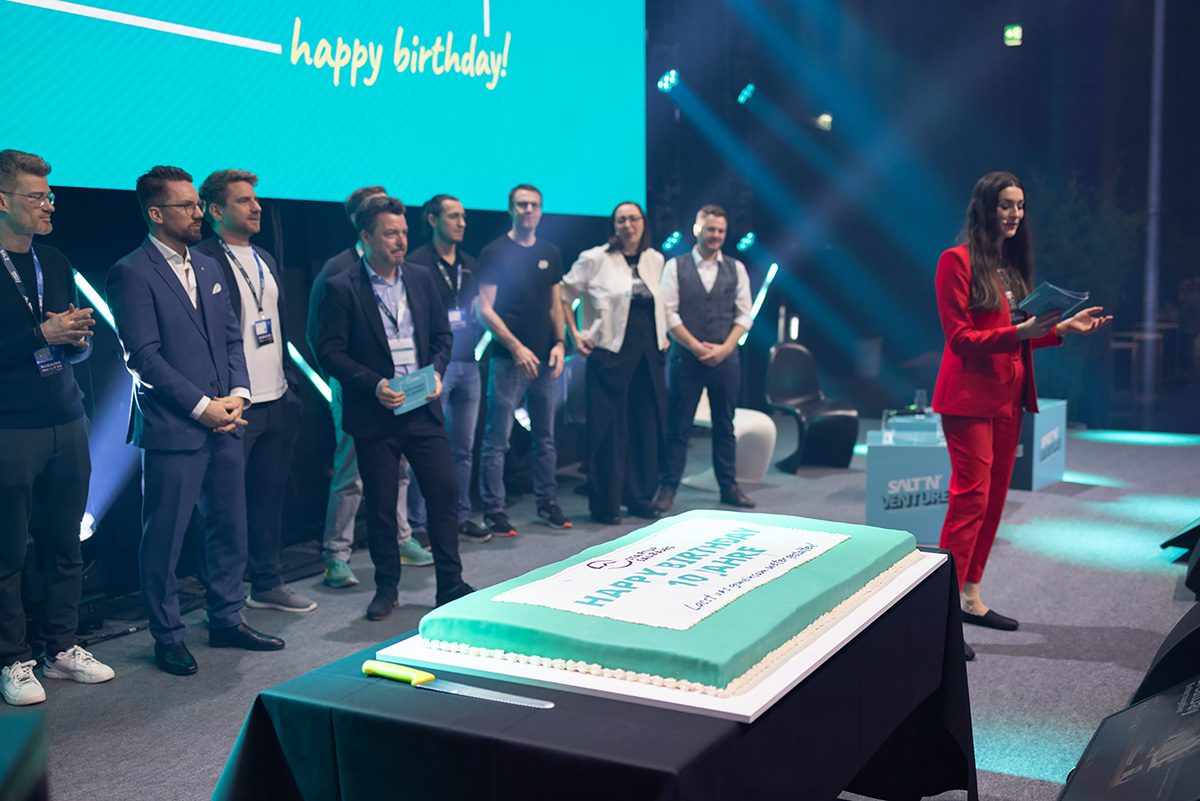
A special highlight of this year’s program was the close connection with the startup and investment conference SALT’N’VENTURE. This combination linked the four expert panels with startup pitch sessions, demonstrating the important role innovation plays in shaping the economic future of regions. Governor Karoline Edtstadler, together with the organizers Alexander Kribus (Messe Salzburg) and Walter Haas (Innovation Salzburg), opened the event and emphasized the importance of innovation, collaboration and strong networks for the future of the regional economy.
Artificial Intelligence as Strategic Infrastructure
The keynote by Christoph Unterreiner (NVIDIA) focused on current developments in artificial intelligence. It highlighted how AI is increasingly becoming a core infrastructure for companies. However, many organizations still face fundamental challenges. AI initiatives are often poorly embedded within organizations – for example when decisions are handled purely through procurement processes and treated as IT purchases rather than strategic initiatives. In addition, clear responsibility at the executive level is often missing.
Another obstacle lies in data and organizational silos. Data frequently resides in different departments or systems and cannot be efficiently combined. As a result, the potential of AI applications often remains untapped. NVIDIA therefore develops not only high-performance GPUs, but also comprehensive platform solutions for AI training, simulation, robotics and industrial applications. The goal is to provide companies with the infrastructure required to develop and deploy AI systems at scale.
The keynote’s conclusion: AI creates value when it is strategically embedded within organizations, supported by clear leadership responsibility, a strong data strategy and the right infrastructure.
Four Tracks: Expert Panels and Startup Pitches
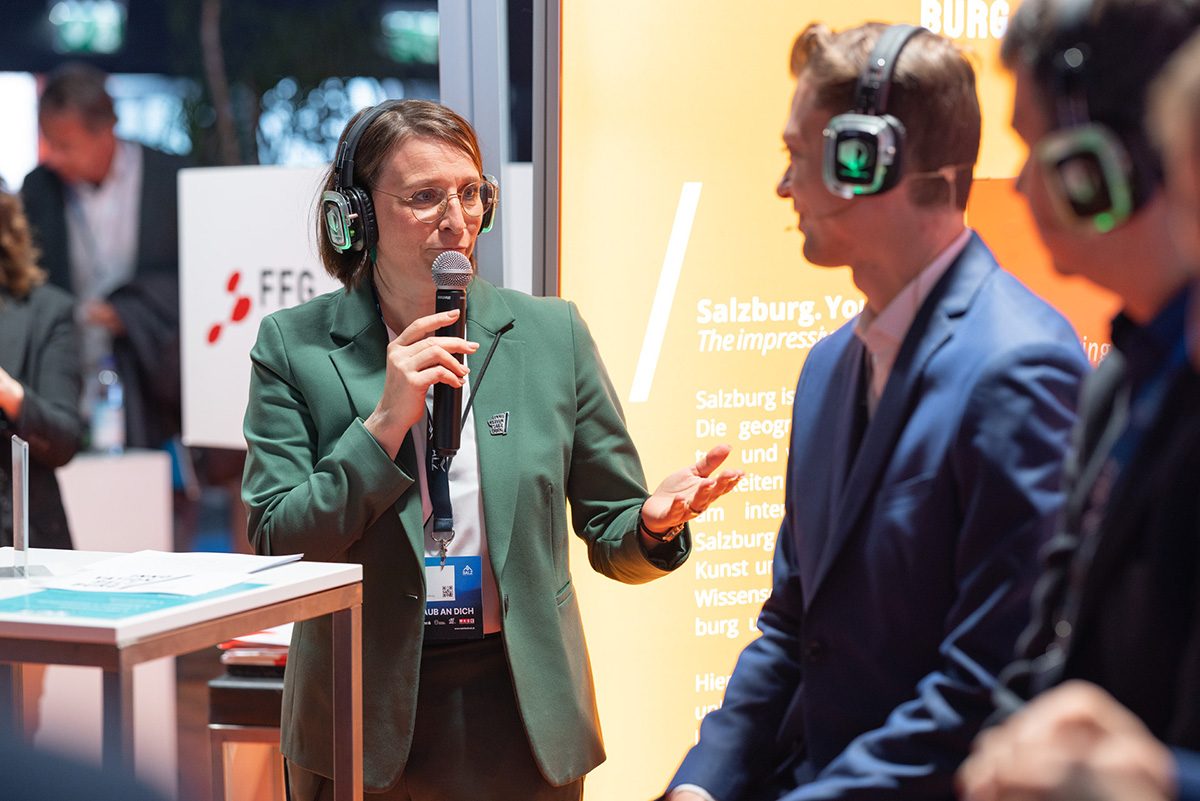
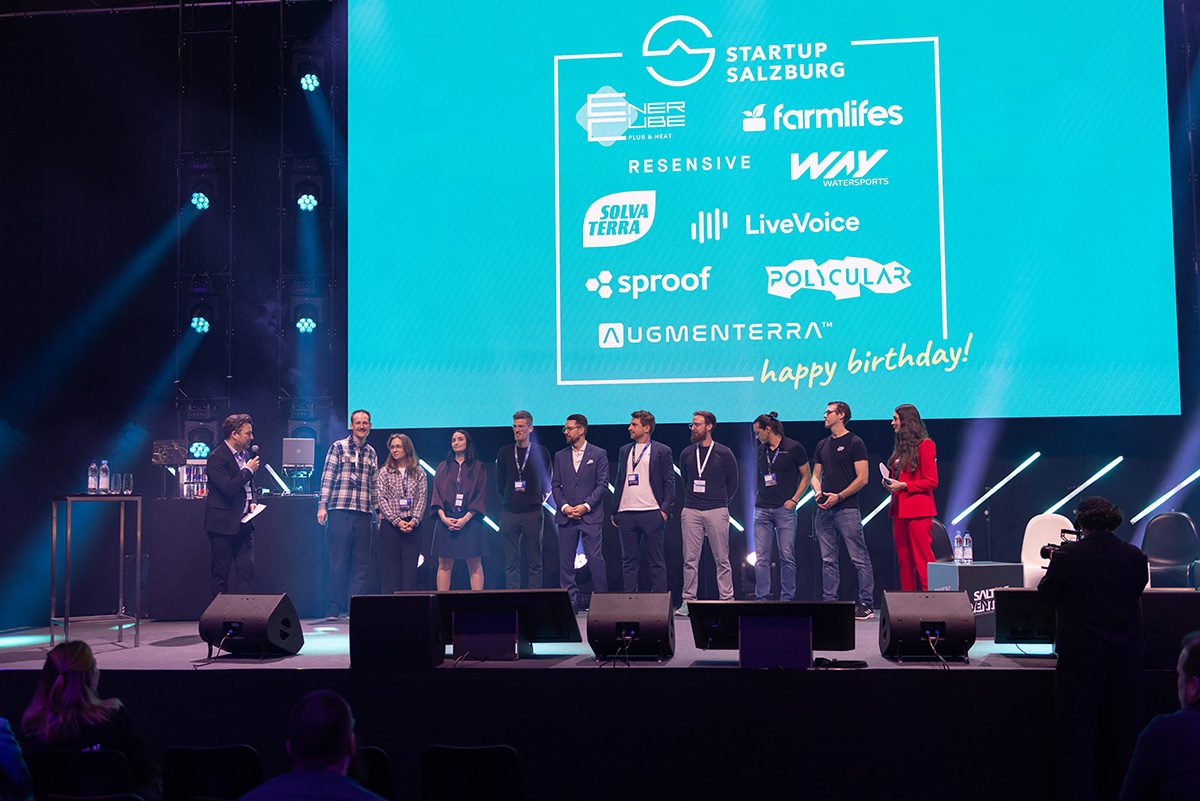
In the four thematic tracks Next Industrial Systems, Tech4Green, Secure & Resilient Systems and Human Tech, experts from industry, research and the startup ecosystem discussed current developments. Afterwards, five startups in each track pitched their solutions and answered questions from the panel members.
Next Industrial Systems
The Next Industrial Systems panel explored how AI and data can create real value in industrial environments. Examples ranged from automated processing of sales inquiries to AI-supported materials research and energy optimization in production.
The discussion highlighted that technology alone is not enough. Successful innovation also requires the right organizational structures, skills and corporate culture that allow experimentation and rapid learning. Europe was described as particularly strong in industrial niches and deep-tech expertise. The key challenge is translating research into industrial applications more quickly and strengthening collaboration with startups.
Tech4Green
The Tech4Green track focused on sustainable technologies and the transformation of industry and buildings. One example of successful collaboration between startups and established companies is the partnership between the startup EnerCube and the real estate company Vonovia. Enercube develops modular heating room solutions that allow fossil heating systems in multi-apartment buildings to be replaced with heat pumps within just a few days.
Industry representatives also shared insights into ongoing transformation projects. Andre van Bennekom, Plant Manager of the Annahütte steelworks, spoke about initiatives related to hydrogen technologies and on-site energy production. At the same time, it became clear that lengthy approval procedures – for example when expanding photovoltaic installations – often slow down innovation.
The conclusion: technological solutions already exist. What is needed now are investments, stronger cooperation and faster regulatory processes.
Secure & Resilient Systems
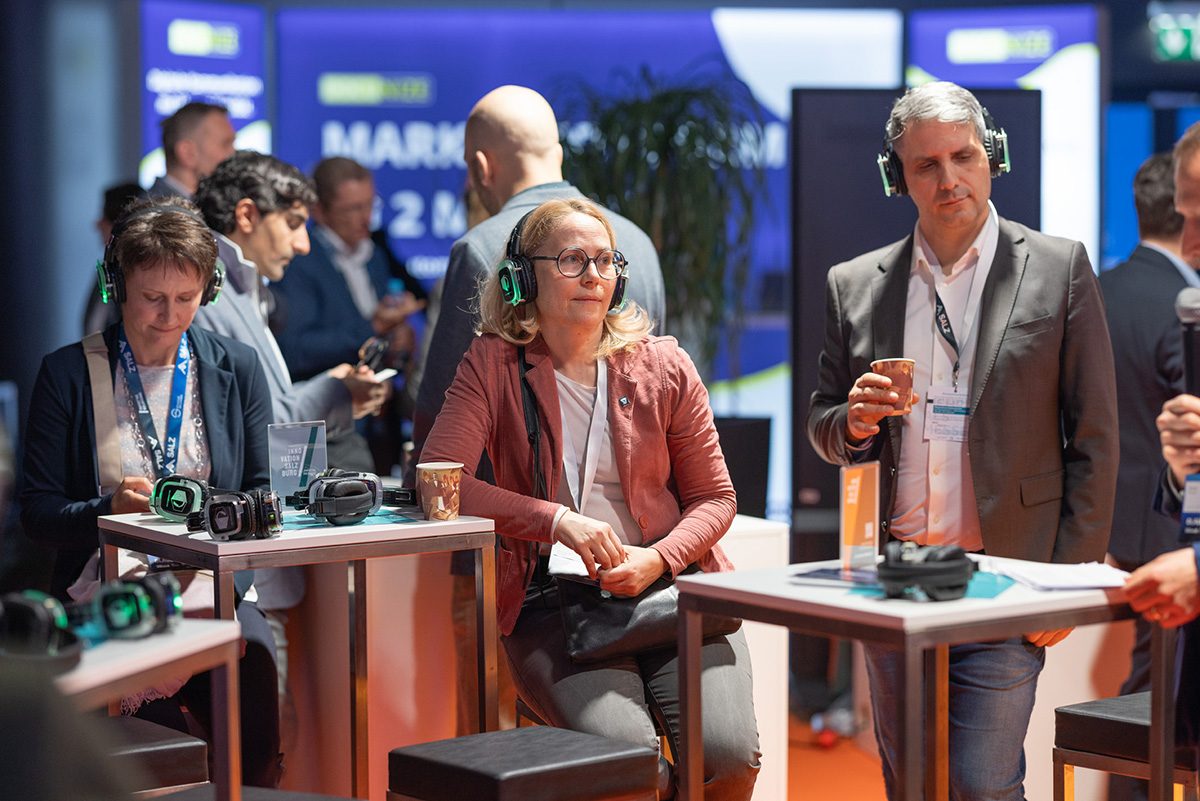
The Secure & Resilient Systems panel discussed the increasing professionalization of cyberattacks and the growing importance of digital resilience.
Cybercrime has become highly commercialized, while many organizations still underestimate the risks – particularly within complex supply chains. At the same time, IT security is often perceived as a cost factor rather than a strategic requirement for operational resilience. Key recommendations from the panel included conducting clear analyses of critical systems and dependencies, implementing security-by-design in technologies and products, and making more conscious choices when selecting IT and cloud providers. The goal is to ensure that organizations remain capable of operating even during cyber incidents.
Human Tech
The Human Tech track opened with a keynote by Colin McGuckin (CTIBIOTECH), who presented new biotechnology approaches that use human tissue samples for research, drug development and product testing. Many projects in regenerative medicine fail today not because of the science but because of economic feasibility. Personalized cell therapies, for example, are scientifically promising but often extremely complex and difficult to scale. CTIBIOTECH therefore pursues a different approach: tissue obtained during medical procedures is collected and used for the development of new therapies and testing models. These realistic human tissue models can accelerate research and make innovation more economically scalable.
In the following panel discussion, experts addressed key success factors in the medtech sector. Beyond technological excellence, they emphasized the importance of a committed team, continuous market feedback and a strong IP strategy. Regulatory requirements must also be considered early in the development process.
Conclusion: Technology Exists – Implementation Becomes the Key
Across all tracks, a similar picture emerged: technological solutions for many current challenges already exist. Whether in industrial AI, sustainable energy technologies, resilient digital infrastructures or biotechnology innovations, progress increasingly happens at the intersection of research, startups and established companies. At the same time, major challenges remain: organizational silos, complex regulatory frameworks, talent shortages and slow approval processes. The key to progress lies in stronger collaboration, strategic integration of innovation and faster pathways for implementation and scaling. Events like SALZ help make innovation visible, connect stakeholders and further strengthen the regional innovation ecosystem.
This might also interest you
18. February 2026
SALZ 2026: A Festival for Innovation
How can companies remain competitive, innovative, and resilient in challenging times? SALZ – Festival for Innovation & Technology, together with the startup and investment conference SALT’N’VENTURE, will provide concrete answers on March 11, 2026, at Messezentrum Salzburg, bringing together industry, startups, and investors.
17. February 2026
Life Sciences Center Salzburg Launched
With the Life Sciences Center Salzburg (LSCS), a new inter-university center is being established to strengthen Salzburg as a hub for research and innovation. The federal government and the Province of Salzburg are jointly investing €15 million in its development. It was publicly presented on February 17, 2026, at Unipark Nonntal.
11. November 2025
Eleven Million Euros for Five New Research Centers
Salzburg is investing in research: around eleven million euros from EU and state funds will go toward establishing five new research and transfer centers. They cover key future-oriented topics: artificial intelligence, climate protection, health, tourism, and data security.
24. October 2025
Christian Doppler Laboratory unites Artificial Intelligence and Image Processing in Salzburg
Salzburg is strengthening its cutting-edge research: In the new Christian Doppler Laboratory for the Authentication of Persons and Object Surfaces, innovative solutions for enhanced security are being developed by combining artificial intelligence and image processing. These solutions are created in close collaboration between science and industry.